
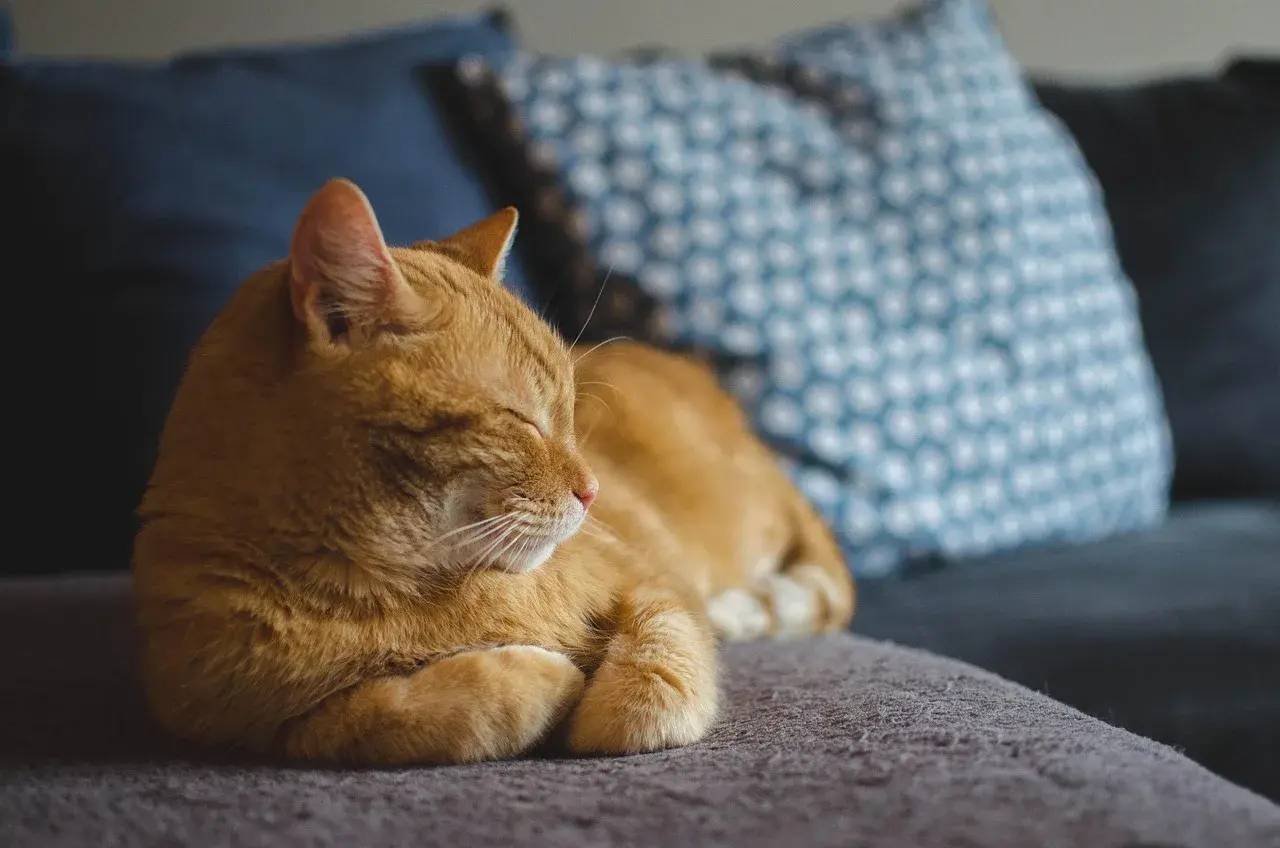
Cat Grooming in the UAE: A Breed-by-Breed Guide
The UAE's air-conditioned indoor environment affects cat coat condition in ways most owners don't anticipate. Here's how to groom every common breed properly in the Emirates.

The first seven days with a new kitten set the foundation for everything that follows. Here is what to expect and how to give your kitten the best possible start.
The most important preparation happens before your kitten comes home. A kitten-proofed space — one room initially, not the whole apartment — should be ready: litter tray positioned away from food and water, a comfortable bed or covered hideaway, food and water bowls, a scratching surface, and a few appropriate toys. Remove anything electrical, toxic, or small enough to swallow.
In the UAE, ensure the air conditioning is set at a moderate level (22–24°C) rather than extremely cold, and that the room is draught-free. Young kittens are sensitive to rapid temperature changes and should not be in direct airflow from cooling units.
Bring your kitten home in a secure, well-ventilated carrier. Place the carrier in the prepared room, open the door, and step back. Allow the kitten to emerge in its own time — do not reach in to pull it out. This first hour of voluntary exploration is the foundation of confidence. Resist the urge to show the kitten the whole apartment on day one.
Offer water and a small meal of the food it has been eating with its breeder (ask for a supply to support the transition). Show the kitten the litter tray location by gently placing it inside immediately after meals. Speak quietly and move slowly. Let the kitten investigate you on its terms — crouching to floor level and letting it approach is far more effective than picking it up.
Feed at consistent times — twice daily for kittens over 12 weeks, three times for younger kittens. Introduce play gently: short sessions of five to ten minutes with a wand toy are enough. Watch for signs of stress (flattened ears, dilated pupils, hiding) and give more space if you see them. A kitten that hides for the first few days is not rejecting you — it is processing.
If you have children, supervise all interactions carefully. Teach children to sit on the floor with the kitten rather than picking it up, to speak quietly, and to stop when the kitten walks away. The quality of these early interactions shapes the kitten's attitude towards children for life.
By day four or five, most kittens begin showing genuine confidence in their initial room. This is the right time to gradually expand access to more of the home — one additional room at a time, with supervision. Let the kitten lead the exploration rather than carrying it to new spaces.
Continue building routine: consistent feeding times, consistent play times, and consistent bedtime arrangements. Kittens sleep up to sixteen hours a day and need undisturbed rest periods. A tired kitten that is not given rest opportunities can become overstimulated and nippy — this is a sign of exhaustion, not aggression.
Schedule a health check with a registered UAE veterinarian within the first week of your kitten coming home. The vet will verify vaccination status, check for parasites, assess general health, and provide guidance on microchipping and registration if not already completed. Bring all health documentation provided by your breeder.
This visit also establishes your kitten's baseline health record — important for insurance claims and for future vets. Choose a clinic you feel comfortable with, as this will be a relationship over many years. Ask about their approach to pedigree breed monitoring: a vet familiar with HCM screening in British Shorthairs or Maine Coons, for instance, is an asset.
FAQ
Yes, for the first day or two this is entirely normal. A new environment is overwhelming for a kitten. Offer food quietly and leave it available rather than encouraging the kitten to come out. If hiding and food refusal persist beyond 48 hours, consult your veterinarian.
Keep them completely separated for at least a week. Exchange bedding so they can smell each other before meeting. Feed them on opposite sides of a closed door. Supervised visual introductions through a baby gate come before full contact. Rushing this process is the most common reason introductions fail.
Yes. Kittens sleep 16–20 hours per day. This is essential for growth and development. Do not disturb a sleeping kitten — allow it to wake naturally and approach you. Forced interaction with a sleeping or resting kitten builds avoidance rather than trust.
Your breeder should provide a vaccination record showing what has been given and what is due. Most kittens leaving a breeder at 12 weeks have had their first two vaccinations and require a booster at around 16 weeks, followed by annual boosters. Your veterinarian will confirm the appropriate schedule.
Explore Further
Continue Reading

The UAE's air-conditioned indoor environment affects cat coat condition in ways most owners don't anticipate. Here's how to groom every common breed properly in the Emirates.

From upper respiratory infections to parasites and breed-specific conditions, here is what every UAE kitten owner should know about recognising and preventing health issues.
Emirates Kitten Haven
Browse our currently available kittens or get in touch to discuss upcoming litters and find the perfect companion for your family. Availability may vary — we recommend enquiring early.