
Kitten Advice
How to Introduce a Second Cat: A Complete Guide for UAE Households
Bringing a second cat into your home can be wonderful — or chaotic. The difference is almost entirely in how you manage the introduction.
24 May 2026 · 6 min readRead

Gender is one of the first questions new owners ask — but does it actually matter as much as people think? An honest, breed-informed answer.
Male or female? It is almost always one of the first questions a prospective owner asks. The honest answer is that for neutered pedigree cats — which all responsibly bred kittens should become — the behavioural differences between males and females are far smaller than most people expect.
Individual personality, breed temperament, and socialisation quality matter far more than gender. That said, there are some general tendencies worth understanding.
Males are typically larger. In British Shorthairs, males may reach 6–9 kg while females settle at 4–6 kg. In Maine Coons, adult males can weigh 7–11 kg; females 4–7 kg. If you have a strong preference for a smaller or larger cat, gender is a relevant factor.
In long-haired breeds like Ragdolls, Persian, and Maine Coons, males develop more impressive ruffs and manes. For some owners, this is aesthetically significant; for others, it is simply a grooming consideration.
Before neutering, the differences are significant. Intact males spray to mark territory and roam. Intact females experience heat cycles that are disruptive and, in some breeds, near constant. This is why early neutering — typically at four to six months — is standard practice.
After neutering, the temperament differences largely equalise. Some owners report that neutered males tend to be slightly more openly affectionate and less territorial than spayed females. Others report the opposite. These are tendencies, not rules — individual personality variation within a breed far outweighs any gender pattern.
In households with multiple cats, opposite-sex pairings often integrate most smoothly, particularly if both are neutered. Same-sex male pairs can be harmonious; same-sex female pairs occasionally develop territorial tension, though this is highly individual and breed-dependent.
A more relevant consideration than gender is whether the cats are introduced gradually and given separate resources — feeding stations, litter trays, and sleeping areas — in the early weeks of cohabitation.
FAQ
There is no reliable gender-based rule. Breed temperament and individual personality are far stronger predictors of affection levels than gender. Both males and females can be outstandingly warm companions.
With pedigree breeders, pricing is typically based on quality, colour, and availability rather than gender. Breeding-quality females may be priced higher, but pet-quality males and females are generally comparable.
Most UAE veterinarians recommend neutering between four and six months of age. Your Emirates Kitten Haven kitten is sold on a pet-only contract and neutering is part of responsible ownership.
Continue Reading
Bringing a second cat into your home can be wonderful — or chaotic. The difference is almost entirely in how you manage the introduction.
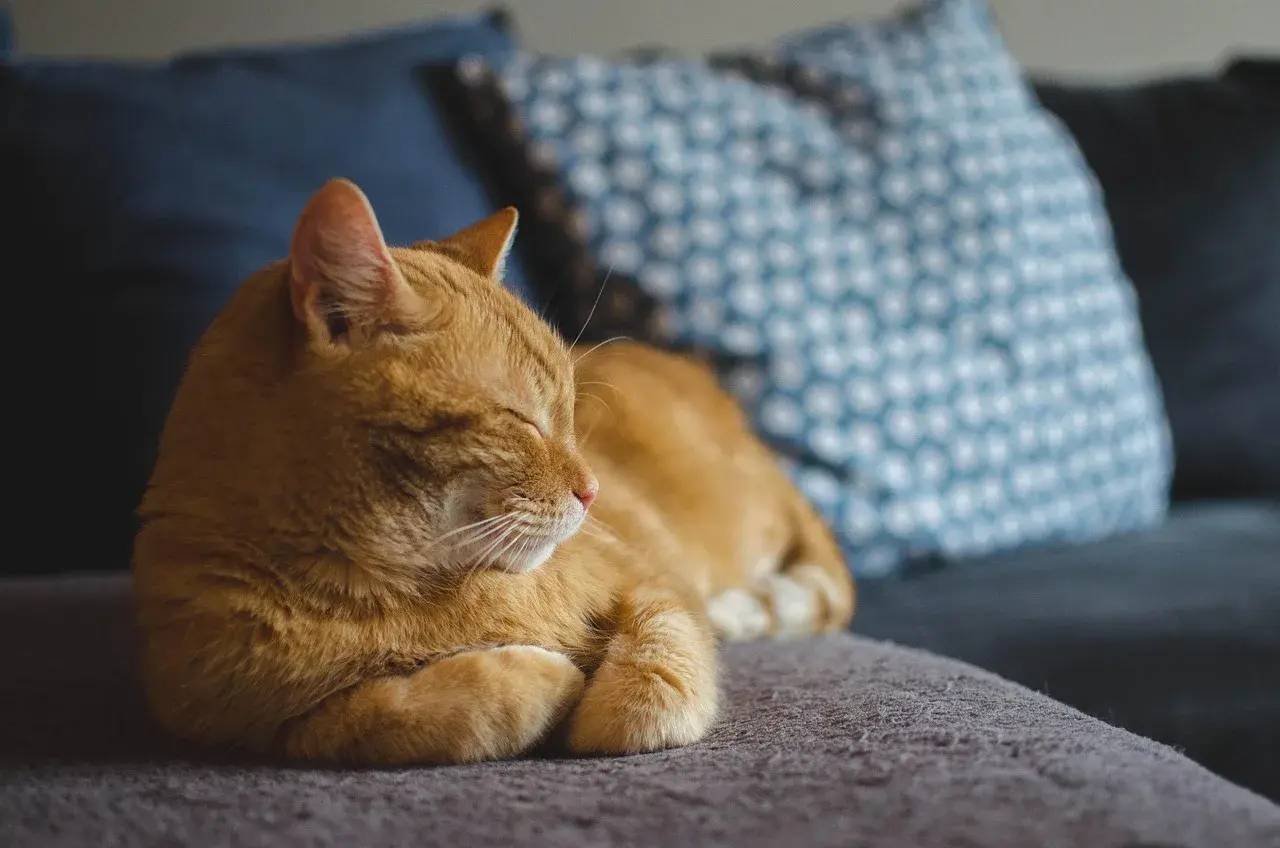
Bringing home your first pedigree kitten? This guide covers everything you need to prepare your UAE home, your routine, and your expectations.
Emirates Kitten Haven
Browse our currently available kittens or get in touch to discuss upcoming litters and find the perfect companion for your family. Availability may vary — we recommend enquiring early.