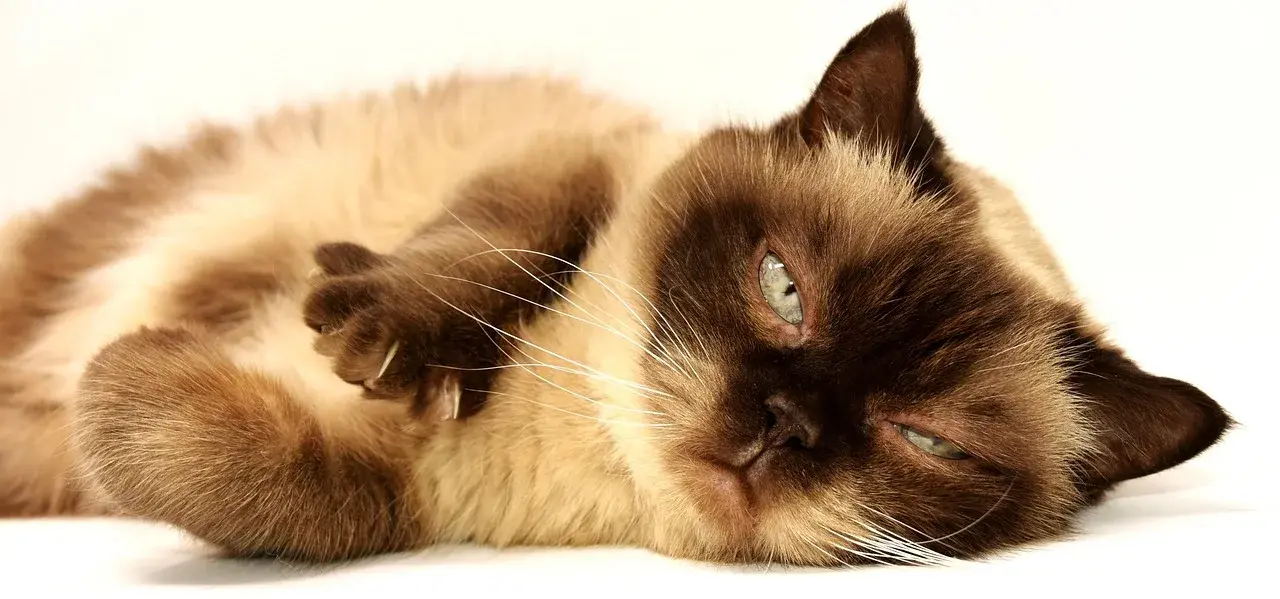
The British Shorthair Temperament: What Every Owner Should Know
Understanding the characteristically calm, independent, and deeply loyal nature of the British Shorthair — and how to nurture it in your home.

The Bengal is breathtaking in appearance and high-octane in personality. This guide covers what it truly takes to keep one thriving in your UAE home.
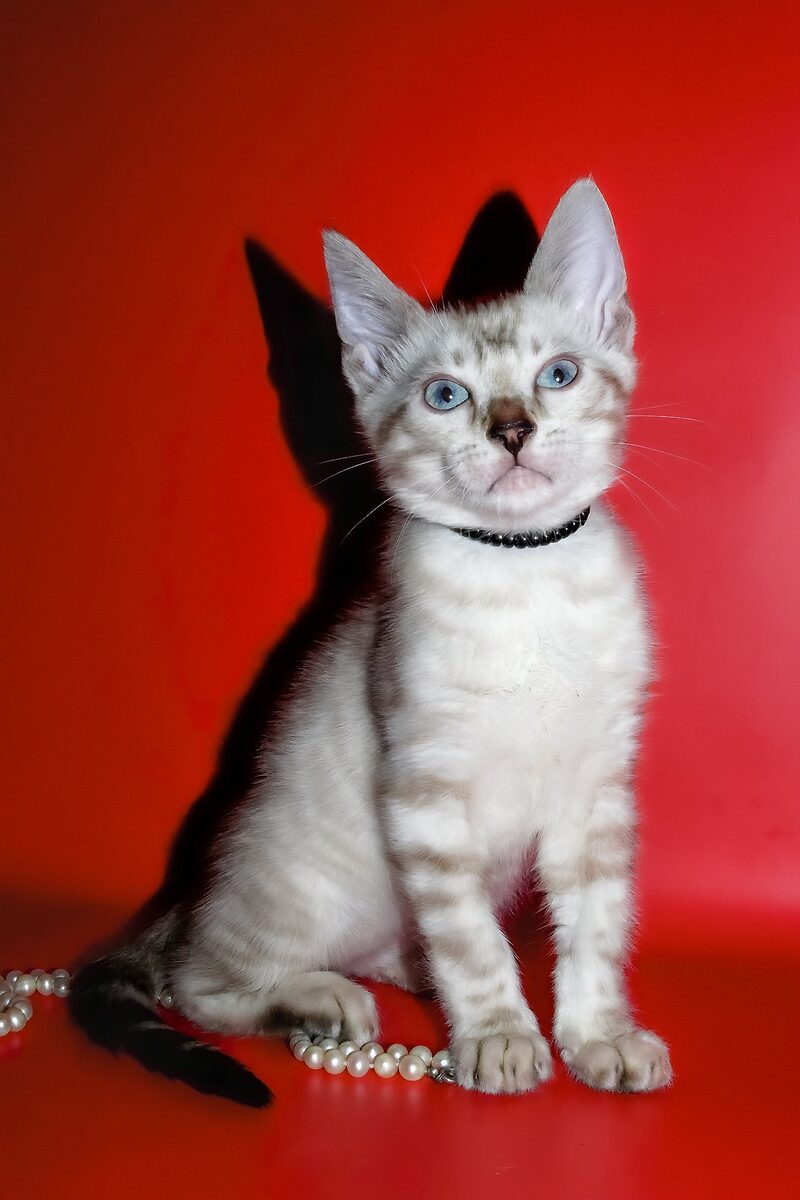
The Bengal cat is derived from crosses between domestic cats and Asian leopard cats, which means its extraordinary spotted or marbled coat is genuinely reminiscent of its wild ancestry. But the Bengal temperament is fully domestic — curious, playful, intensely interactive, and deeply bonded to its chosen family.
Owning a Bengal is a rewarding experience, but only for owners who understand what the breed genuinely requires. A bored Bengal is a destructive Bengal.
The Bengal is the most active pedigree breed on our programme. It requires a minimum of 30 minutes of vigorous interactive play each day — and that is a floor, not a ceiling. Wand toys, laser pointers, fetch, puzzle feeders, and climbing structures all contribute to a Bengal's daily enrichment quota.
In UAE apartment living, a tall cat tree positioned near a window, rotating toy selection, and consistent twice-daily play sessions are essential infrastructure — not optional extras.
Bengals do best on a high-protein diet that reflects their semi-wild heritage. A combination of premium wet food and a high-quality dry food provides both the protein content and the hydration Bengals need. Many Bengal owners supplement with raw feeding — if you pursue this, consult a feline nutritionist to ensure the diet is complete and balanced.
Fresh water should always be available. Bengals, like most cats, tend to drink more from moving water — a circulating fountain is a worthwhile investment.
The Bengal's short, dense, pelt-like coat is among the lowest-maintenance of any pedigree breed. A weekly brush removes loose hair and distributes natural oils. Bengals are fastidious self-groomers and rarely require bathing.
Regular nail trimming, ear checks, and dental hygiene complete the grooming routine. The Bengal's coat has a characteristic glitter effect — particularly visible in sunlight — that reflects excellent health and good nutrition.
Bengals are vocal, communicative, and highly aware of their environment. They will notify you of anything that interests, pleases, or displeases them. They learn quickly — including how to open doors and drawers — and benefit from training with positive reinforcement to channel their intelligence productively.
For the right owner, the Bengal is a spectacularly rewarding companion. For those seeking a calm, low-key cat, this is not the breed.
FAQ
Yes, provided their enrichment needs are met. A Bengal in a large, well-equipped apartment with daily vigorous play can thrive. A Bengal in a bare flat with minimal stimulation will struggle.
Generally yes — especially when raised together. Bengals are confident and may initially assert dominance, but most settle into harmonious multi-cat households with careful introduction.
Bengals are excellent with active, engaged children who can keep up with their energy. They are not recommended for households with very young children who cannot manage the Bengal's play intensity.
Explore Further
Continue Reading

Understanding the characteristically calm, independent, and deeply loyal nature of the British Shorthair — and how to nurture it in your home.

A carefully considered guide to the pedigree breeds that are best suited to family life — covering temperament, adaptability, and compatibility with children.
Emirates Kitten Haven
Browse our currently available kittens or get in touch to discuss upcoming litters and find the perfect companion for your family. Availability may vary — we recommend enquiring early.