Breed Profiles
The Best Cat Breeds for Families in the UAE
A carefully considered guide to the pedigree breeds that are best suited to family life — covering temperament, adaptability, and compatibility with children.
20 May 2026 · 9 min readRead
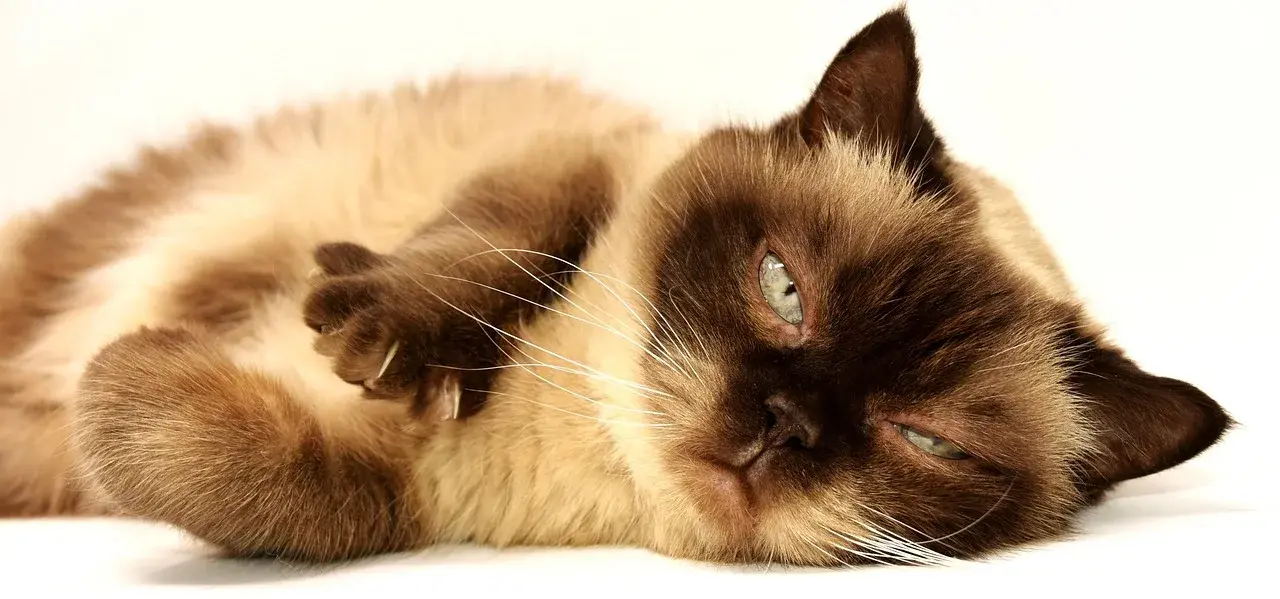
Understanding the characteristically calm, independent, and deeply loyal nature of the British Shorthair — and how to nurture it in your home.
The British Shorthair is not a cat that announces itself. It will not demand your attention with insistent vocalisations, nor will it follow you from room to room with the eager intensity of a Ragdoll or Maine Coon. What it offers instead is something rarer and, in many ways, more precious: a steady, dignified companionship that deepens quietly over years.
Understanding this temperament is essential before welcoming a British Shorthair into your home. Families expecting a lap cat who craves constant physical contact often find themselves puzzled at first. The British Shorthair is affectionate — genuinely so — but on its own terms. It will choose when to curl beside you, and those moments of chosen proximity carry a weight that more demanding breeds cannot match.
Perhaps the most common misconception about British Shorthairs is that their independence signals indifference. This is not the case. A British Shorthair is aware of your presence at all times. It will be in the same room, positioned so it can observe, and it will note your comings and goings with quiet attentiveness.
This independence means they cope exceptionally well in households where owners work during the day. Unlike some highly social breeds that can develop anxiety when left alone, the British Shorthair is content with its own company — provided it has adequate enrichment and a comfortable, secure environment.
What distinguishes them is that their affection is deliberate. When a British Shorthair settles beside you in the evening, it has chosen to. That choice means something.
British Shorthairs are among the most reliably gentle breeds in the pedigree world. Their even temperament means they respond to overstimulation with withdrawal rather than aggression — they will simply move away when they have had enough. This makes them an outstanding choice for families with children, provided children are taught to respect that boundary.
With other cats, British Shorthairs are generally tolerant. They are unlikely to initiate conflict, though they can be territorial with cats of similar self-possession. Gradual, well-managed introductions are always recommended. With calm, well-trained dogs, they typically coexist without difficulty.
The British Shorthair thrives in a calm, stable home. They dislike loud, chaotic environments and will retreat to quiet spaces when the household becomes overwhelming. A dedicated, comfortable retreat — a high perch, a quiet corner, a covered bed — is not an optional luxury for this breed. It is a necessity.
Interactive play is important, particularly in the kitten and young adult years. British Shorthairs can become overweight if their moderate activity needs are not met. Short, engaging play sessions once or twice daily — with wand toys, puzzle feeders, or interactive games — support both physical health and mental stimulation. As they mature, they typically settle into a more sedentary rhythm, though enrichment remains valuable throughout their lives.
Owners who understand the British Shorthair temperament describe a relationship that matures beautifully. The reserve of kittenhood gives way, gradually, to a deep and loyal companionship. By the age of three or four, a British Shorthair will have formed a bond with its family that is quiet but profound — the kind that makes itself felt most clearly in the evenings, when a heavy, plush cat settles against you with complete trust.
This is a breed that rewards patience and understanding with years of steadfast, dignified devotion. For the right owner, there is nothing quite like it.
FAQ
Yes — but on their own terms. British Shorthairs are loyal and devoted without being demanding or clingy. They prefer to sit nearby rather than seek constant physical contact, and their affection is deliberate and meaningful rather than performed.
Yes. The British Shorthair's independence means it tolerates solitude better than most breeds. With appropriate enrichment — toys, vertical space, and a comfortable environment — it copes well in households where owners work during the day.
Very much so. Their even, unflappable temperament makes them patient and tolerant with children who understand respectful interaction. They respond to overstimulation with withdrawal rather than aggression — they will simply move away when they have had enough.
Not typically. British Shorthairs prefer to choose when and how they are close to people. They should not be forced into prolonged handling they have not initiated. The relationship works best when their boundaries are respected.
The bond deepens gradually over years. By three or four years of age, the relationship is typically a quiet, profound loyalty. British Shorthairs are not cats that form instant, intense attachments — they offer something steadier and longer-lasting.
Explore the Breeds
Continue Reading
A carefully considered guide to the pedigree breeds that are best suited to family life — covering temperament, adaptability, and compatibility with children.
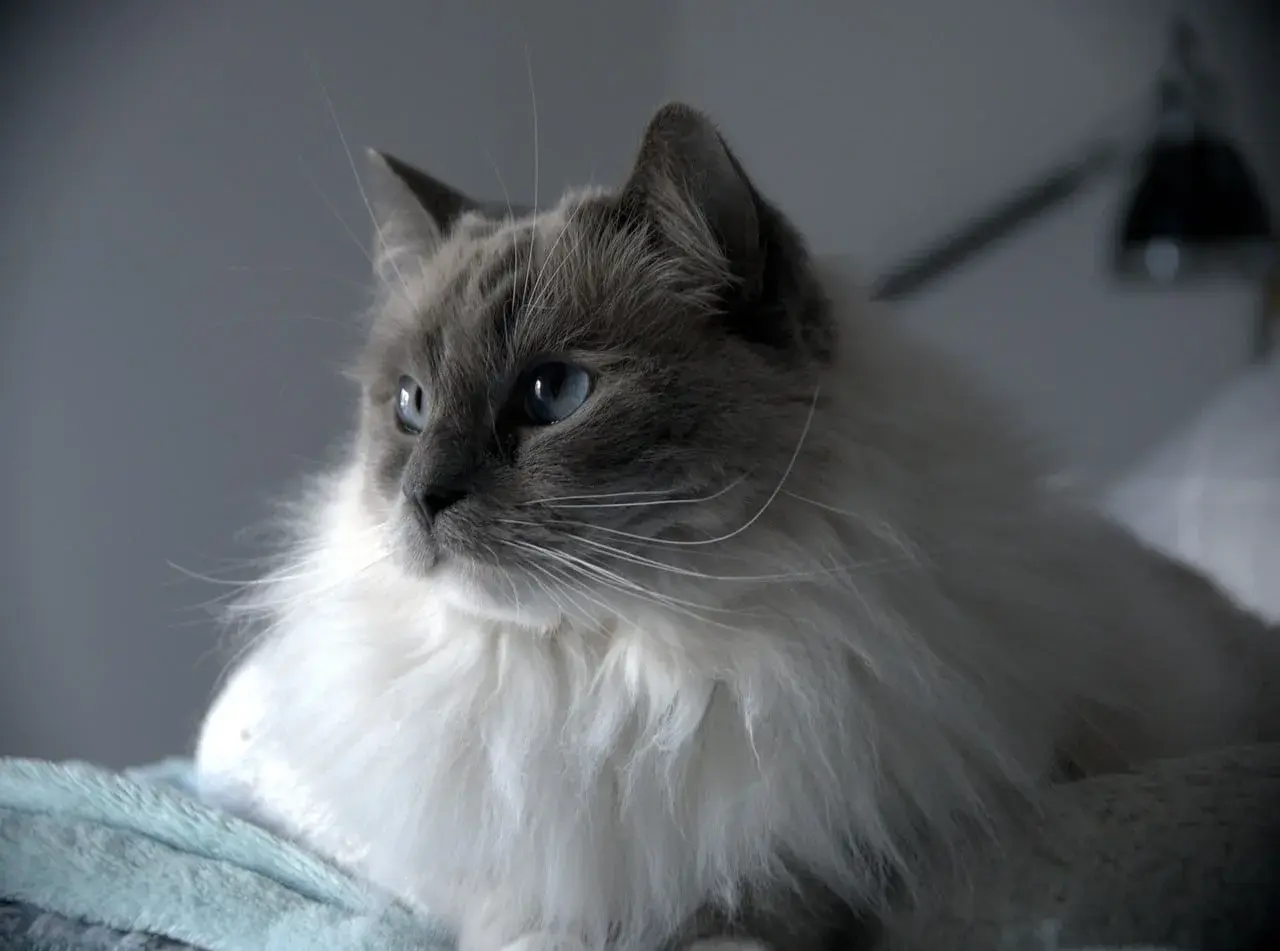
Why the Ragdoll's famously docile, people-loving temperament makes it one of the most rewarding companions a family can choose — and what to expect from life with one.
Emirates Kitten Haven
Browse our currently available kittens or get in touch to discuss upcoming litters and find the perfect companion for your family. Availability may vary — we recommend enquiring early.