The Best Food for Maine Coon Cats: Feeding a Large, Active Breed
Breed Profiles

The Best Food for Maine Coon Cats: Feeding a Large, Active Breed

23 June 20266 min readEmirates Kitten Haven

Maine Coons have higher caloric needs than most domestic cats and specific requirements that support their large frame, active lifestyle, and cardiac health. Here's how to feed them well.

Feeding a Giant: Why Maine Coons Are Different

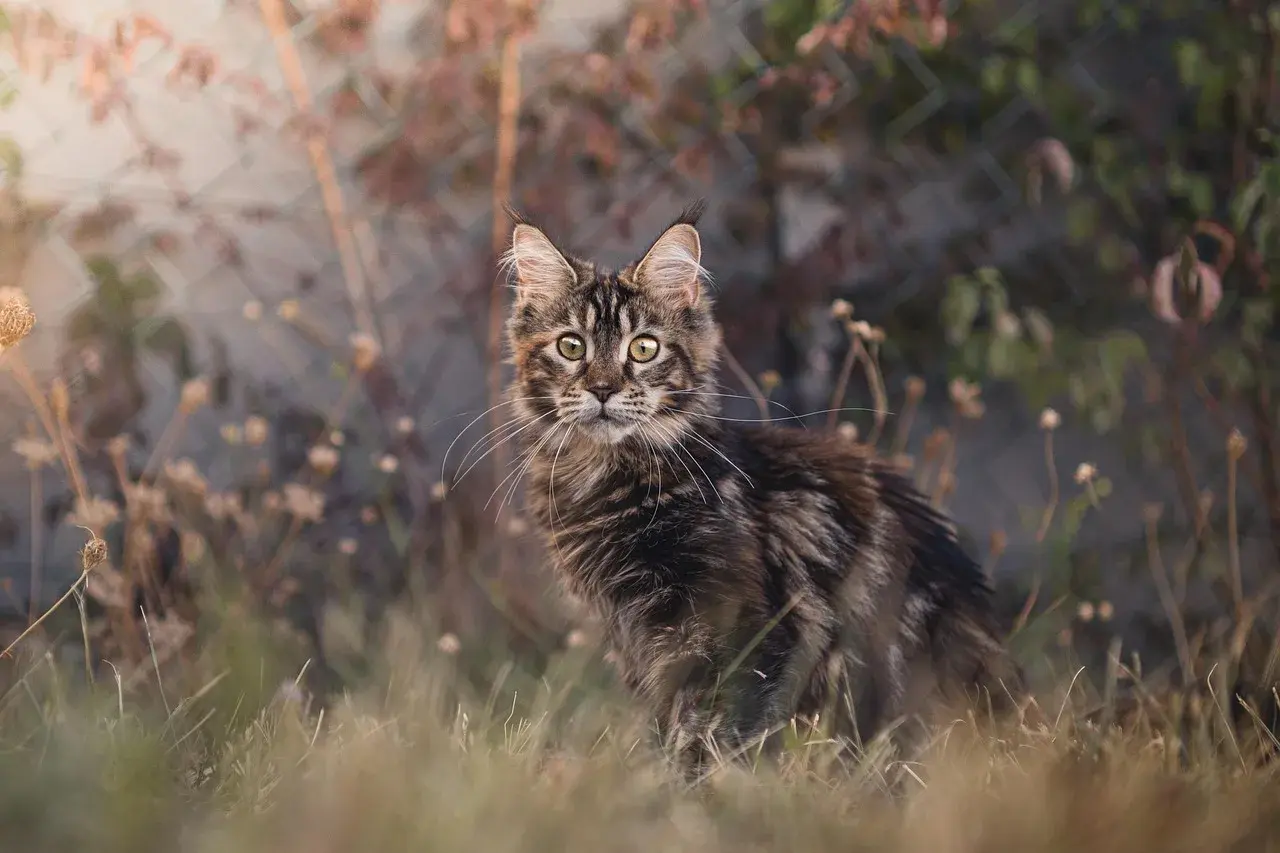
The Maine Coon is the largest domestic cat breed, with males regularly reaching 7–9 kg and continuing to grow until three to four years of age. This extended growth period, combined with a higher activity level than most indoor breeds, means Maine Coons have genuinely higher caloric and protein requirements than smaller, more sedentary cats. Feeding an adult portion of standard cat food to a Maine Coon kitten will result in a stunted, underweight cat.

Beyond simple quantity, Maine Coons have some specific nutritional considerations: joint health support due to their large frame, cardiac health nutrition due to their known HCM predisposition, and coat quality requirements given their semi-long, dense fur. Addressing all of these through diet — or targeted supplementation — is part of responsible Maine Coon ownership.

Protein and Calorie Requirements

Maine Coons need foods with high protein content from quality animal sources. A minimum of 38–45% protein on a dry matter basis is appropriate for an active Maine Coon. Named meat proteins — chicken, turkey, duck, rabbit, salmon — should appear first on the ingredient list. Given the breed's size, daily caloric intake for an active adult Maine Coon typically ranges from 350–500 kcal, compared to 200–300 kcal for a smaller indoor cat.

During the extended kittenhood (up to 18 months), keep Maine Coons on kitten or large-breed kitten formula — which has higher calorie density and larger kibble size for large-breed jaws — rather than transitioning to adult food at the standard 12-month mark. This supports continued bone and muscle development without restricting growth.

Joint Health and Supplementation

Maine Coons' large frame creates loading forces on joints that smaller breeds do not experience. Foods specifically formulated for large breeds often include glucosamine and chondroitin — compounds that support cartilage health and joint lubrication. These can also be given as supplements if your primary food does not include them.

Omega-3 fatty acids (EPA and DHA) from fish oil have both anti-inflammatory joint benefits and coat conditioning effects particularly visible in Maine Coons' luxuriant fur. A quality fish oil supplement or a food with genuinely high fish content is a worthwhile addition to the Maine Coon diet from early adulthood, continuing throughout life.

Cardiac Health and Taurine

Maine Coons are predisposed to Hypertrophic Cardiomyopathy (HCM), a cardiac condition that cannot be prevented by diet alone but may be supported by adequate taurine intake. Taurine is an essential amino acid for cats that is found exclusively in animal tissue — it is not present in plant-based ingredients. Quality animal-protein foods naturally contain adequate taurine; foods relying heavily on plant protein may be deficient.

Ensure any food fed to a Maine Coon has taurine listed as an ingredient or clearly meets AAFCO or FEDIAF taurine requirements. Some owners supplement with additional taurine powder — discuss this with your veterinarian, particularly if your cat has been diagnosed with any cardiac changes.

Wet Food and Hydration

Maine Coons benefit significantly from wet food inclusion in their diet. Their kidney health in later life is supported by adequate moisture intake, and many Maine Coons are not enthusiastic drinkers from static water bowls. A pet water fountain — which provides moving, aerated water — combined with at least one wet food meal daily is an effective hydration strategy.

For Maine Coon owners who prefer primarily dry food, ensure the chosen kibble is of the highest possible quality, monitor water intake carefully, and consider adding warm water or low-sodium meat broth to meals to increase moisture consumption. Urinary crystals and early kidney disease are easier to prevent through lifetime hydration management than to treat once established.

FAQ

Frequently Asked Questions

How much should I feed my Maine Coon?

An active adult male Maine Coon typically needs 380–500 kcal per day; females 280–400 kcal. Calculate based on your food's caloric density and adjust based on body condition — you should be able to feel ribs without pressing hard, and see a slight waist when viewed from above. Maine Coons should be muscular but not fat.

When should I switch my Maine Coon from kitten to adult food?

Maine Coons are considered kittens until 18 months, sometimes up to 24 months given their extended growth period. Switch to adult food gradually at 18 months unless your kitten is clearly physically mature earlier. Transitioning too early can restrict development; staying on kitten food too long may cause excess weight.

Are large breed kibbles better for Maine Coons?

Yes. Large-breed kibble formulations are sized for larger jaws, have calorie density appropriate for bigger cats, and often include joint-supporting nutrients. Several premium brands produce Maine Coon-specific formulations. These are not just marketing — they are genuinely better matched to the breed's requirements.

My Maine Coon seems always hungry — is this normal?

Maine Coons can appear perpetually food-motivated. Before assuming underefeeding, measure daily portions accurately using kitchen scales, assess body condition (ribs should be feelable but not visible), and consult your veterinarian if hunger seems excessive. Some appetite increase is normal after neutering; adjust portions accordingly.

Explore the Breeds

Breeds Featured in This Article

Continue Reading

More From the Journal

The British Shorthair Temperament: What Every Owner Should Know
Breed Profiles

The British Shorthair Temperament: What Every Owner Should Know

Understanding the characteristically calm, independent, and deeply loyal nature of the British Shorthair — and how to nurture it in your home.

12 June 2026 · 6 min readRead

The Best Cat Breeds for Families in the UAE
Breed Profiles

The Best Cat Breeds for Families in the UAE

A carefully considered guide to the pedigree breeds that are best suited to family life — covering temperament, adaptability, and compatibility with children.

20 May 2026 · 9 min readRead

Emirates Kitten Haven

Ready to Welcome a Kitten?

Browse our currently available kittens or get in touch to discuss upcoming litters and find the perfect companion for your family. Availability may vary — we recommend enquiring early.