The British Shorthair Temperament: What Every Owner Should Know
Understanding the characteristically calm, independent, and deeply loyal nature of the British Shorthair — and how to nurture it in your home.

Why the Ragdoll's famously docile, people-loving temperament makes it one of the most rewarding companions a family can choose — and what to expect from life with one.
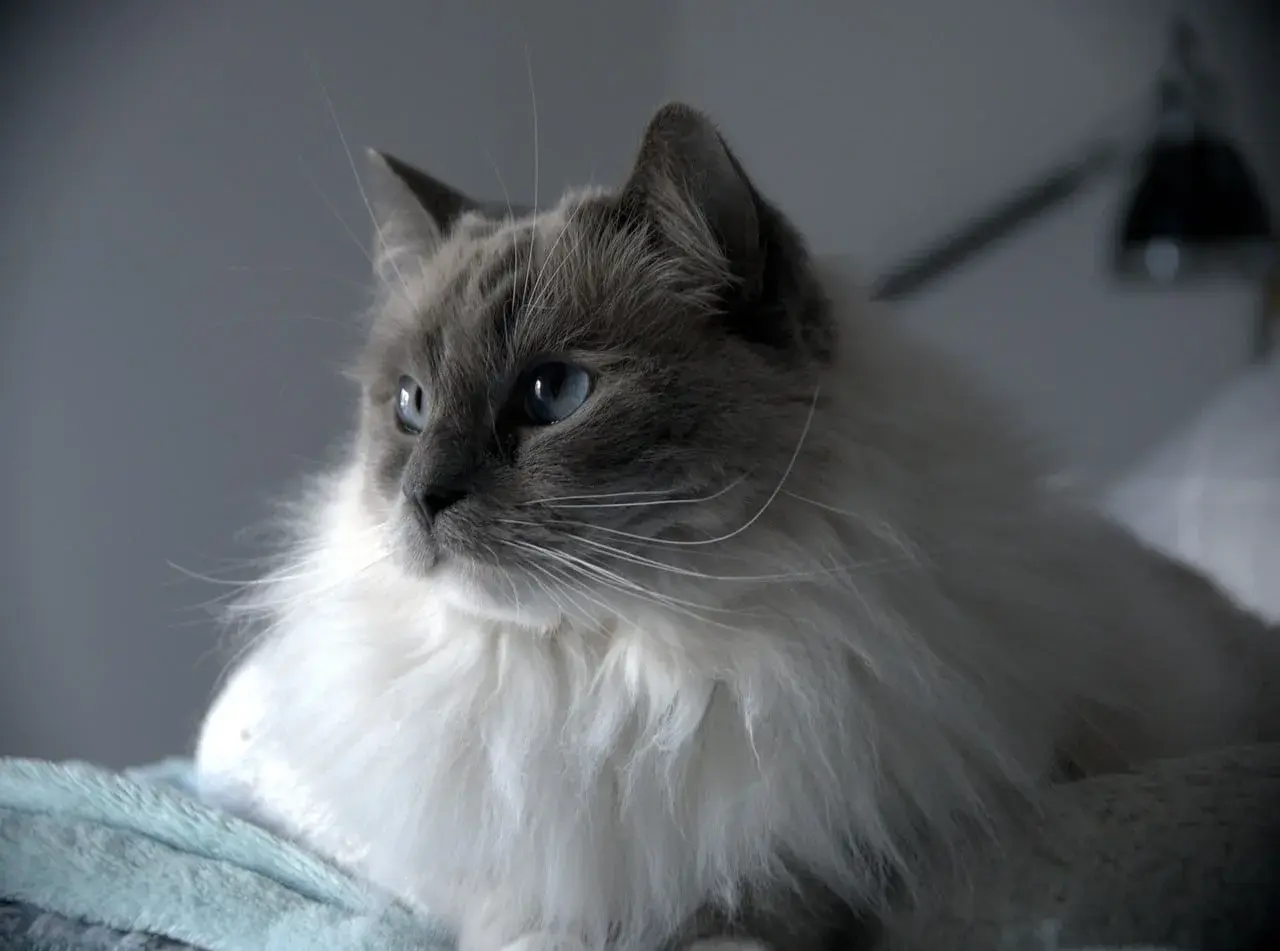
There is a reason the Ragdoll has become one of the most popular pedigree cat breeds in the world. In a feline landscape populated by independent, self-possessed creatures, the Ragdoll stands apart — a cat that genuinely, profoundly wants to be with its people.
The breed's name comes from its most distinctive physical trait: when held, a Ragdoll goes limp and relaxed, like a ragdoll in your arms. This is not merely a behaviour — it is an expression of temperament. A cat that relaxes completely in the arms of a human has made a fundamental choice of trust. That quality permeates every aspect of Ragdoll personality.
Ragdolls are frequently described as "dog-like" by their owners, and the comparison is apt. They will meet you at the door when you return home. They will follow you from room to room, choosing to be in whatever space you occupy. They will settle in your lap the moment you sit down, and remain there with a steadiness and contentment that is quite unlike the more transient affections of other breeds.
This devotion is not the slightly anxious clinginess of a breed prone to separation anxiety. It is a calm, chosen nearness — a preference for your company that is expressed with warmth rather than need. The distinction matters. Living with a Ragdoll is not living with a demanding cat; it is living with a deeply companionable one.
Ragdolls are patient in a way that is genuinely extraordinary among domestic cats. Their response to overstimulation — even the enthusiastic, boundary-testing affection of young children — is to go quiet and passive rather than to scratch or bite. This does not mean unlimited handling should go unsupervised, but it does mean that the risks associated with small children and cats are substantially reduced with a well-socialised Ragdoll.
They are typically welcoming of other cats and accepting of calm, gentle dogs. Their non-aggressive nature means introductions, though still requiring patience and structure, tend to proceed more smoothly than with more territorial breeds.
A Ragdoll's devotion comes with a reciprocal need: they require genuine engagement. They should not be left alone for very long periods without either a companion animal or rich environmental enrichment. A Ragdoll that is lonely can become withdrawn and sad in ways that are visible if you know what to look for — reduced appetite, loss of playfulness, increased sleeping.
Interactive play, warmth, and physical closeness are their primary currencies. A Ragdoll that is groomed, played with, and held will reward you with a depth of loyalty and affection that is among the most moving things a companion animal can offer.
Ragdolls are slow to mature — they do not reach full size and full emotional depth until around four years of age. In those first years, you are building a relationship that will continue to deepen for the next decade and beyond. Owners of older Ragdolls often describe a bond that has become so familiar and trusting that it resembles the quiet understanding of a long friendship.
This is, ultimately, what the Ragdoll offers: not the excitement of novelty, but the profound comfort of a companion that has chosen you, completely and without reservation.
FAQ
Yes — a well-socialised Ragdoll will relax completely when picked up and held. This is the physical expression of the breed's extraordinary trust and gentleness, and the origin of the breed's name. It is one of the most distinctive and endearing qualities in the pedigree cat world.
Very much so. Their gentle, forgiving temperament and tolerance of handling make them one of the most reliably rewarding breeds for owners new to cats. They are not the lowest-maintenance breed in terms of grooming and engagement, but their nature is so warm that they reward even imperfect ownership generously.
Less than more intensely attached breeds, but they do need genuine engagement. A Ragdoll left alone for very long periods without stimulation or a companion animal can become withdrawn. For households where owners work long hours, a companion cat is worth considering.
Ragdolls are a large breed. Males commonly reach 6–9 kg at maturity; females are typically 4–6 kg. They develop slowly and do not reach full physical and emotional maturity until around four years of age — the relationship deepens throughout this period.
Yes. Ragdolls are not suited to outdoor life — their trusting, non-defensive temperament makes them vulnerable to threats they would not avoid or recognise. In the UAE context, full indoor living is the only responsible arrangement, and Ragdolls adapt to it exceptionally well.
Explore Further
Explore the Breeds
Continue Reading

Understanding the characteristically calm, independent, and deeply loyal nature of the British Shorthair — and how to nurture it in your home.

A carefully considered guide to the pedigree breeds that are best suited to family life — covering temperament, adaptability, and compatibility with children.
Emirates Kitten Haven
Browse our currently available kittens or get in touch to discuss upcoming litters and find the perfect companion for your family. Availability may vary — we recommend enquiring early.