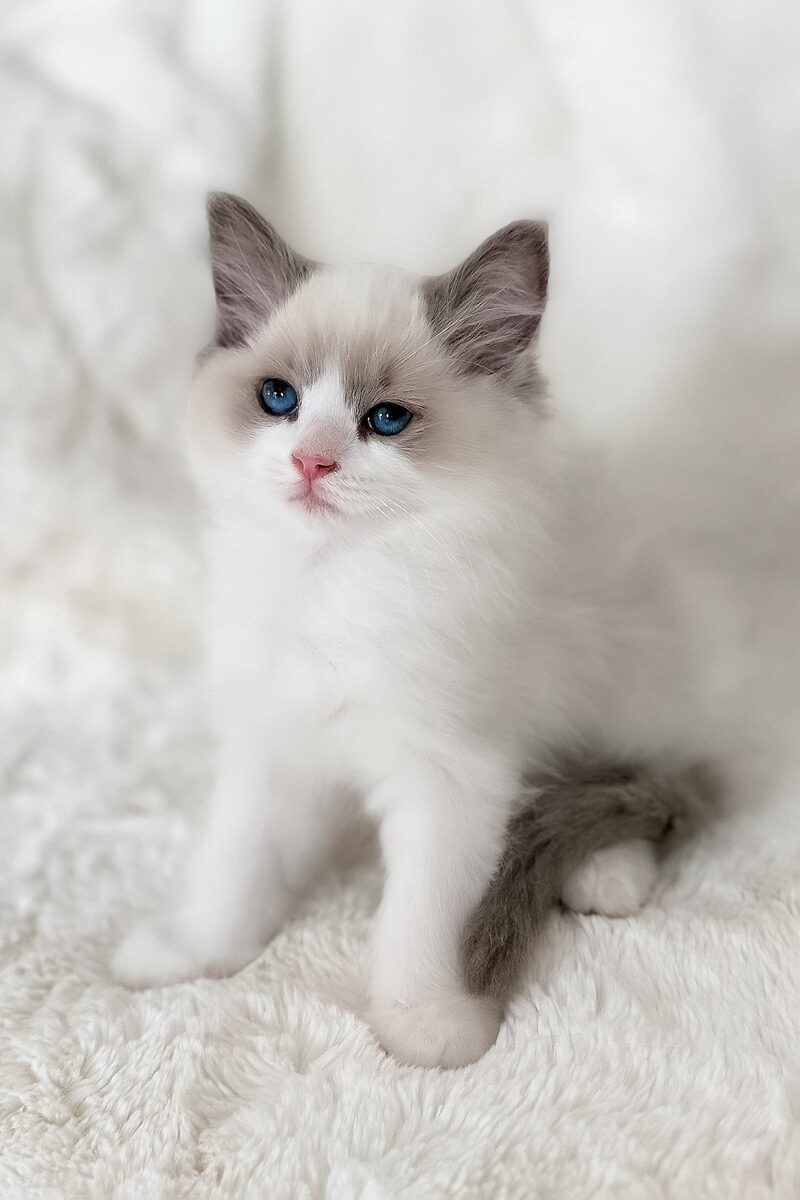
Breed Comparisons
British Shorthair vs Ragdoll: Which Breed Is Right for You?
Two of the most popular pedigree cats in the UAE — but they are different in personality, care, and temperament. Here is how to decide.
8 June 2026 · 6 min readRead
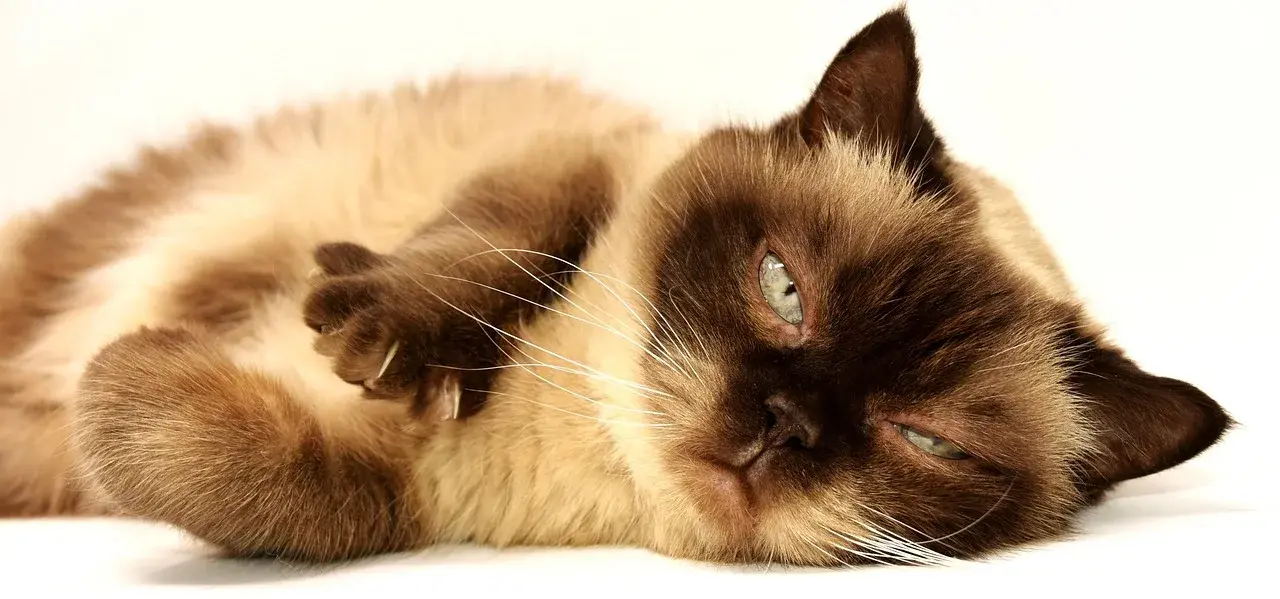
Both are serene, apartment-loving companions — but the grooming commitment, health profile, and personality differ in ways that matter for UAE owners.
The British Shorthair and the Persian are among the oldest and most respected pedigree cat breeds in the world. Both are renowned for their calm, gentle temperament, low activity level, and suitability for indoor life — making both genuinely excellent choices for UAE apartment living. Yet the differences between them are real and consequential, particularly around grooming, facial structure, and health.
For families weighing these two breeds, the decision often comes down to one honest question: how much daily grooming time are you genuinely prepared to commit to? The answer to that question may determine which cat belongs in your home.
The British Shorthair's dense, plush coat is largely self-maintaining. It benefits from a thorough weekly brush and perhaps an additional session during seasonal moulting, but it does not tangle, mat, or require daily attention. This makes it one of the most manageable coated breeds in the pedigree world — grooming is a pleasure rather than an obligation.
The Persian is a different proposition entirely. Its long, silky coat mats readily and requires daily brushing — without exception. A single missed day can lead to tangles that, over time, become painful mats requiring professional removal or, in severe cases, a full clip. Persians also require regular facial fold cleaning to prevent tear staining and skin irritation. This is a genuine daily commitment that prospective owners must honestly assess before choosing this breed.
British Shorthairs are quietly affectionate, independent, and dignified. They are not lap cats by nature — they prefer to be near you rather than on you — and they cope exceptionally well when left alone during the working day. Their temperament is steady, predictable, and self-contained.
Persians share the calm, gentle quality of the British Shorthair but are generally more openly affectionate and slightly more dependent on human proximity. They are soft-voiced, rarely demanding, and profoundly peaceful companions. If the British Shorthair is an introverted companion who chooses its moments, the Persian is a gentle soul who simply wants to be close.
British Shorthairs are predisposed to Hypertrophic Cardiomyopathy (HCM) and Polycystic Kidney Disease (PKD), both of which responsible breeders test for. Beyond these known conditions, the breed has a robust build and generally good health with appropriate diet and veterinary care.
Persians carry predispositions to PKD (shared with British Shorthairs), as well as health concerns linked to their flat-faced (brachycephalic) structure: breathing difficulties, dental crowding, and eye conditions. Traditional (doll-faced) Persians — bred without extreme facial flattening — typically experience fewer of these structural issues. When selecting a Persian, the degree of facial flattening is an important welfare consideration.
If you want a beautiful, calm, pedigree companion with minimal grooming demands, the British Shorthair is the clear practical choice. It delivers outstanding companionship with a manageable ownership experience.
If you are genuinely prepared to commit to daily grooming — and find that ritual appealing rather than burdensome — the Persian offers a uniquely soft, affectionate presence that many owners describe as deeply calming. Both breeds are well-suited to UAE apartment life, both handle the air-conditioned indoor environment without difficulty, and both deserve an owner who has thought carefully about their specific needs.
FAQ
Persians are exclusively indoor cats and adapt well to air-conditioned environments. They should never be taken outdoors in UAE summer temperatures. Their long coat is not appropriate for outdoor heat, but indoors with consistent climate control they are entirely comfortable.
Even with diligent daily brushing at home, most Persians benefit from a professional bath and tidy every 6–8 weeks. This maintains coat condition, reduces mat risk, and keeps the facial folds clean. Professional grooming costs should be factored into the ongoing ownership budget.
British Shorthairs shed seasonally but their coat is dense and manageable. Persians shed continuously and the longer hairs are more visible on furnishings. Both benefit from regular brushing to manage shedding. If shedding is a significant concern, the British Shorthair is the lower-maintenance choice.
Yes. Both breeds share a calm, non-aggressive temperament and are generally tolerant of other cats. Careful introductions are always recommended, but peaceful cohabitation is achievable and common.
Continue Reading
Two of the most popular pedigree cats in the UAE — but they are different in personality, care, and temperament. Here is how to decide.
Two of the most beloved pedigree cats in the UAE compared side by side — temperament, health, grooming, and which suits your lifestyle and home.
Emirates Kitten Haven
Browse our currently available kittens or get in touch to discuss upcoming litters and find the perfect companion for your family. Availability may vary — we recommend enquiring early.