The British Shorthair Temperament: What Every Owner Should Know
Understanding the characteristically calm, independent, and deeply loyal nature of the British Shorthair — and how to nurture it in your home.

Two of the most popular pedigree cats in the UAE — but they are different in personality, care, and temperament. Here is how to decide.
At first glance, the British Shorthair and the Ragdoll might seem to occupy similar territory — both are pedigree cats with calm temperaments, both are popular with families, and both are well-suited to indoor UAE living. But spend time with each breed, and the differences become clear and meaningful.
Choosing between them is not a question of which is better, but which suits your household, lifestyle, and expectations more precisely.
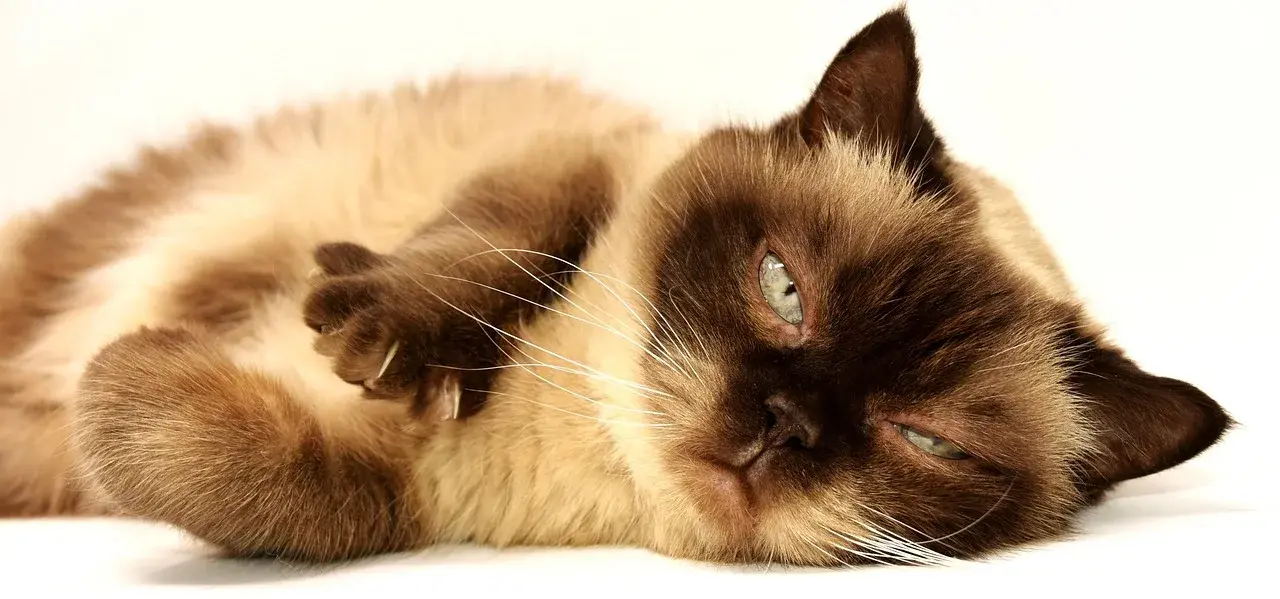
The British Shorthair is affectionate on its own terms. It will be present, attentive, and companionable — but it does not seek constant physical contact. Its affection is deliberate and quiet: chosen proximity rather than performed warmth. This independence makes it an outstanding choice for working professionals and households where the cat will be alone during the day.
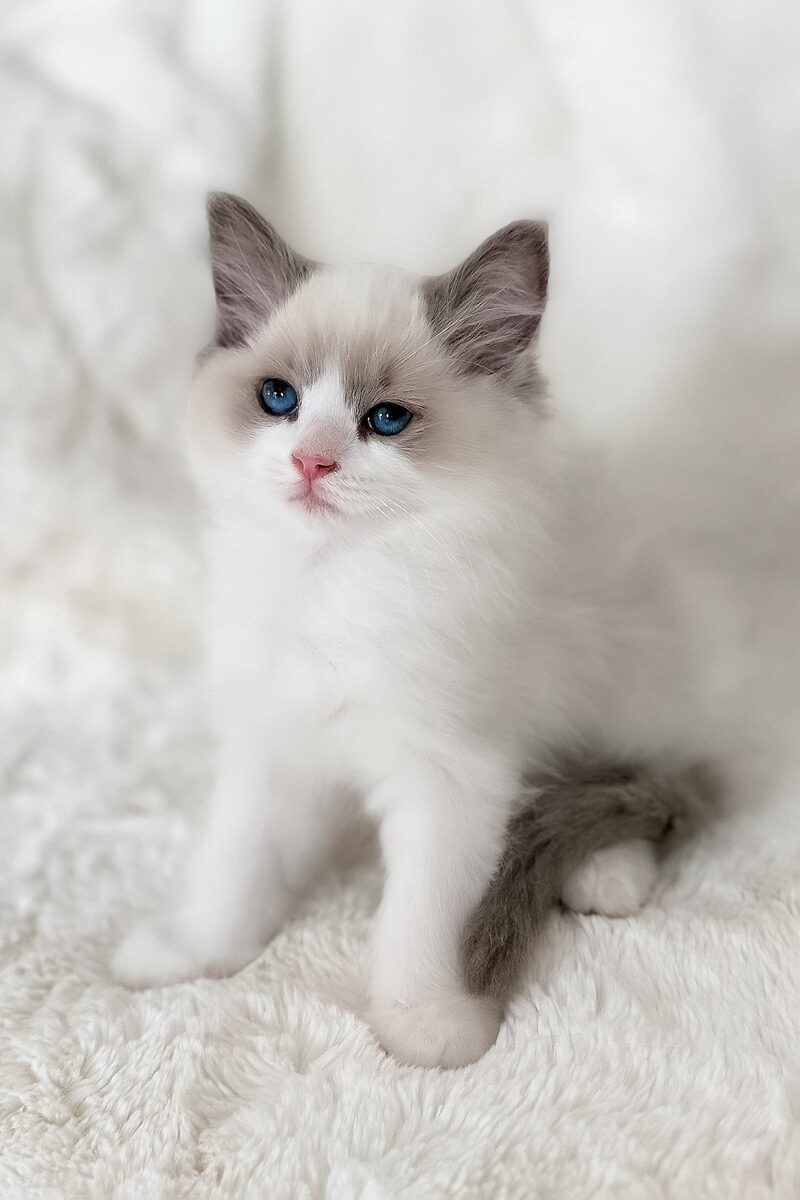
The Ragdoll is fundamentally different. It goes limp when held, seeks out laps, and is actively devoted to its family in a way few breeds match. It is the gentlest of the large pedigree breeds — entirely devoid of aggression — and it thrives on regular affection and company. Ragdolls can become lonely if left alone for long periods.
The British Shorthair is a stocky, compact cat with a plush, dense coat, round face, and copper or gold eyes. It feels solid and weighty when held. Grooming is minimal — a weekly brush suffices.
The Ragdoll is a large, semi-long-haired breed with striking colourpoint markings and always blue eyes. It has a silken, flowing coat that resists matting but benefits from two to three brushing sessions per week. Ragdolls are among the largest pedigree cats, with males reaching 7–9 kg at maturity.
Both breeds are excellent with children, but in different ways. The British Shorthair tolerates overstimulation by withdrawing calmly — it sets its own boundaries without aggression. The Ragdoll is so gentle and passive that it will endure more than it perhaps should, which means supervision with very young children is advisable to protect the cat.
Both coexist well with other cats. British Shorthairs tend to be more territorial initially; Ragdolls accept companions with notable ease.
Choose a British Shorthair if you want an independent, low-maintenance companion that integrates beautifully into a busy household without requiring constant attention.
Choose a Ragdoll if you want a warm, devoted, and intensely affectionate cat that will follow you from room to room and be happiest when held.
FAQ
The British Shorthair is lower maintenance in terms of grooming and social needs. Ragdolls require more grooming and more social interaction to thrive.
Yes, but supervise carefully — Ragdolls are so passive and gentle that they may not move away when handled roughly. Their safety depends on children being taught respectful handling.
The British Shorthair is the better choice for those away from home during the day. Its independence means it copes well with solitude. A Ragdoll may benefit from a companion cat in similar circumstances.
Explore Further
Continue Reading

Understanding the characteristically calm, independent, and deeply loyal nature of the British Shorthair — and how to nurture it in your home.

From coat maintenance to diet, enrichment, and health monitoring — everything you need to provide an exceptional life for your Maine Coon.
Emirates Kitten Haven
Browse our currently available kittens or get in touch to discuss upcoming litters and find the perfect companion for your family. Availability may vary — we recommend enquiring early.