Maine Coon Care: A Complete Guide for New Owners
Care Guides

Maine Coon Care: A Complete Guide for New Owners

5 June 20268 min readEmirates Kitten Haven

From coat maintenance to diet, enrichment, and health monitoring — everything you need to provide an exceptional life for your Maine Coon.

Understanding Your Gentle Giant

The Maine Coon is not simply a large cat. It is a breed of remarkable intelligence, extraordinary sociability, and a genuine need for engagement that sets it apart from most domestic companions. Before anything else, understanding what a Maine Coon actually needs — emotionally and physically — is the foundation of providing it with an exceptional life.

Maine Coons are dog-like in their devotion. They follow their owners, participate in household activities, and form deep bonds with every member of the family. This means they are not well-suited to long periods of solitude. If you work long hours away from home, a companion cat (ideally another sociable breed) is worth serious consideration.

Nutrition and Diet

Maine Coons are a large, muscular breed and their diet should reflect this. A high-quality, high-protein diet — whether wet, dry, or raw — supports their muscular frame and sustained energy. Look for foods where named meat (chicken, turkey, salmon) is the primary ingredient, and avoid foods with excessive cereal or plant-based fillers.

Portion control matters. Maine Coons can be prone to weight gain if fed without structure, particularly as they mature and become less active. Follow the guidance of your veterinarian based on your individual cat's weight, age, and activity level. Fresh water should always be available — many Maine Coons prefer running water, and a pet fountain is an investment worth making.

Avoid free-feeding as a long-term strategy. Structured meal times support weight management and allow you to monitor appetite changes, which can be an early indicator of health issues.
Grooming Your Maine Coon

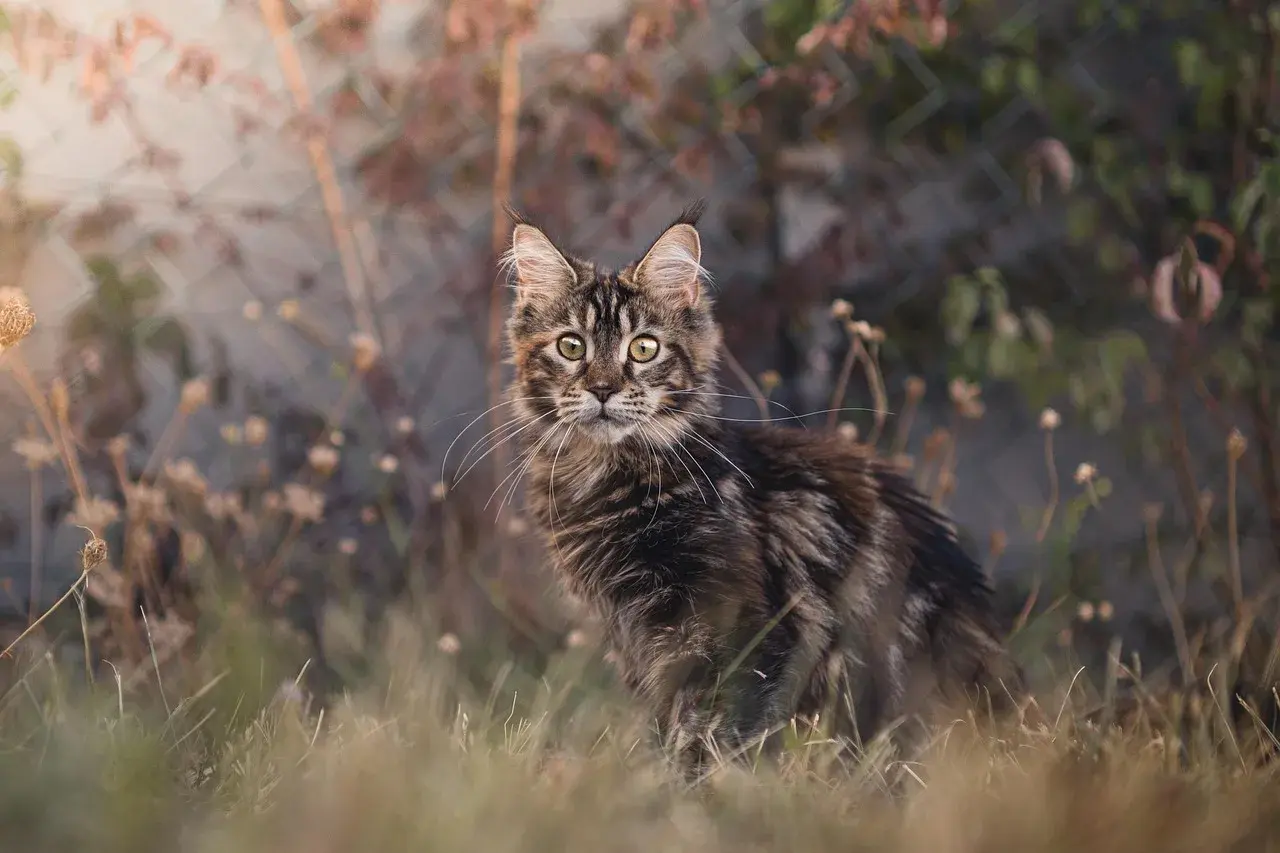
The Maine Coon's semi-long, silky coat is one of its most magnificent features — and one of its primary care requirements. Two to three brushing sessions per week are the minimum for maintaining the coat in good condition and preventing tangles. A wide-toothed metal comb is the most effective tool, followed by a soft slicker brush for finishing.

Pay particular attention to the ruff (the fur around the neck), the belly, and the area behind the ears — these are the zones most prone to matting. If you encounter a mat, work it out gently with your fingers before using a comb. Never cut mats without veterinary guidance.

During seasonal coat changes (typically spring and autumn), daily brushing is recommended to manage the increased shedding. Regular grooming sessions, started in kittenhood, become a bonding ritual that most Maine Coons actively enjoy.

Exercise and Enrichment

Maine Coons are playful well into adulthood. They need outlets for their considerable intelligence and athleticism. Tall cat trees (a Maine Coon needs structures sturdy enough for a cat that may reach 8–9 kg) provide climbing, observation points, and scratching surfaces. Interactive wand toys, puzzle feeders, and food-dispensing toys engage their minds.

Daily interactive play sessions of fifteen to twenty minutes are valuable throughout their lives. Maine Coons are often described as retrieving toys, chirping in response to human speech, and actively seeking games. Engaging with this playful nature strengthens your bond and supports their physical health.

Health Monitoring

Maine Coons have a specific health profile that responsible owners should be aware of. Hypertrophic Cardiomyopathy (HCM) — a thickening of the heart muscle — is the most significant breed-specific concern. Annual cardiac screening by an experienced veterinary cardiologist is strongly recommended from the age of two onwards. Ask your breeder for the HCM screening status of your kitten's parents.

Spinal Muscular Atrophy (SMA) is another genetic condition relevant to the breed; reputable breeders DNA test for this. Hip dysplasia can also occur in large breeds, so monitor your Maine Coon's mobility as they age and discuss joint supplements with your veterinarian if relevant.

Regular veterinary check-ups — at least annually, more frequently in senior years — are the foundation of a long, healthy life. A Maine Coon raised with appropriate care, diet, and veterinary attention can be a companion for fifteen years or more.

FAQ

Frequently Asked Questions

How often should I brush a Maine Coon?

Two to three times per week is the minimum. During seasonal coat changes in spring and autumn, daily brushing is recommended to manage increased shedding and prevent tangles forming in the ruff, belly, and behind the ears.

Do Maine Coons need a companion animal?

Not strictly, but their highly sociable, dog-like nature means they thrive with company. For owners who work long hours, a companion cat is worth serious consideration. A lonely Maine Coon may become withdrawn or develop attention-seeking behaviours.

What health screening should Maine Coon parents have?

HCM (hypertrophic cardiomyopathy) cardiac screening and SMA (spinal muscular atrophy) DNA testing are the most important. Ask your breeder for documentation of both parents' test results before committing to a kitten.

How large do Maine Coons get?

Maine Coons are one of the largest domestic cat breeds. Males commonly reach 6–9 kg at maturity; females are typically smaller at 4–6 kg. They are slow to mature and do not reach full size until around three to five years of age.

Are Maine Coons suitable for first-time cat owners?

Yes, with preparation. Their sociable, forgiving temperament makes them rewarding companions, but their grooming needs, enrichment requirements, and health monitoring (particularly cardiac screening) require genuine commitment. Those who invest fully are rewarded with an extraordinary bond.

Explore the Breeds

Breeds Featured in This Article

Continue Reading

More From the Journal

Persian Grooming Guide: Maintaining a Magnificent Coat
Care Guides

Persian Grooming Guide: Maintaining a Magnificent Coat

Daily grooming is the commitment that comes with a Persian. This guide walks through the tools, techniques, and routines that keep that extraordinary coat in perfect condition.

14 May 2026 · 6 min readRead
The British Shorthair Temperament: What Every Owner Should Know
Breed Profiles

The British Shorthair Temperament: What Every Owner Should Know

Understanding the characteristically calm, independent, and deeply loyal nature of the British Shorthair — and how to nurture it in your home.

12 June 2026 · 6 min readRead

Emirates Kitten Haven

Ready to Welcome a Kitten?

Browse our currently available kittens or get in touch to discuss upcoming litters and find the perfect companion for your family. Availability may vary — we recommend enquiring early.